Felo Skills for Pi Coding Agent: Small Core, Live Web

Add Felo skills to Pi Coding Agent for live search, transcripts, X signals, and slide drafts — without adding a line of code to the minimal core.
Pi Coding Agent keeps its core deliberately small. Sub-agents and plan mode are left out on purpose, and the surface you learn on day one is the surface you still have in month six.
That restraint is the point. Fewer moving parts inside the harness means less to debug, less to keep in sync, and a session that behaves the same way next quarter.
Restraint has a boundary. The moment a task needs the live web — today's release notes, a page you cannot paste, a conference talk, what people are posting about the version you just installed — a minimal harness has nothing to reach for.
Skills are the extension point Pi intends you to use, and Pi coding agent skills are plain Markdown folders rather than compiled plugins. Felo's bundles give the session that reach without any of it landing in the core.
Skills are the extension point, not more tools
Pi's documentation is direct about scope: the core is intentionally small, and features such as sub-agents and plan mode are left out. Task knowledge belongs in skills, which the agent loads when a task calls for them.
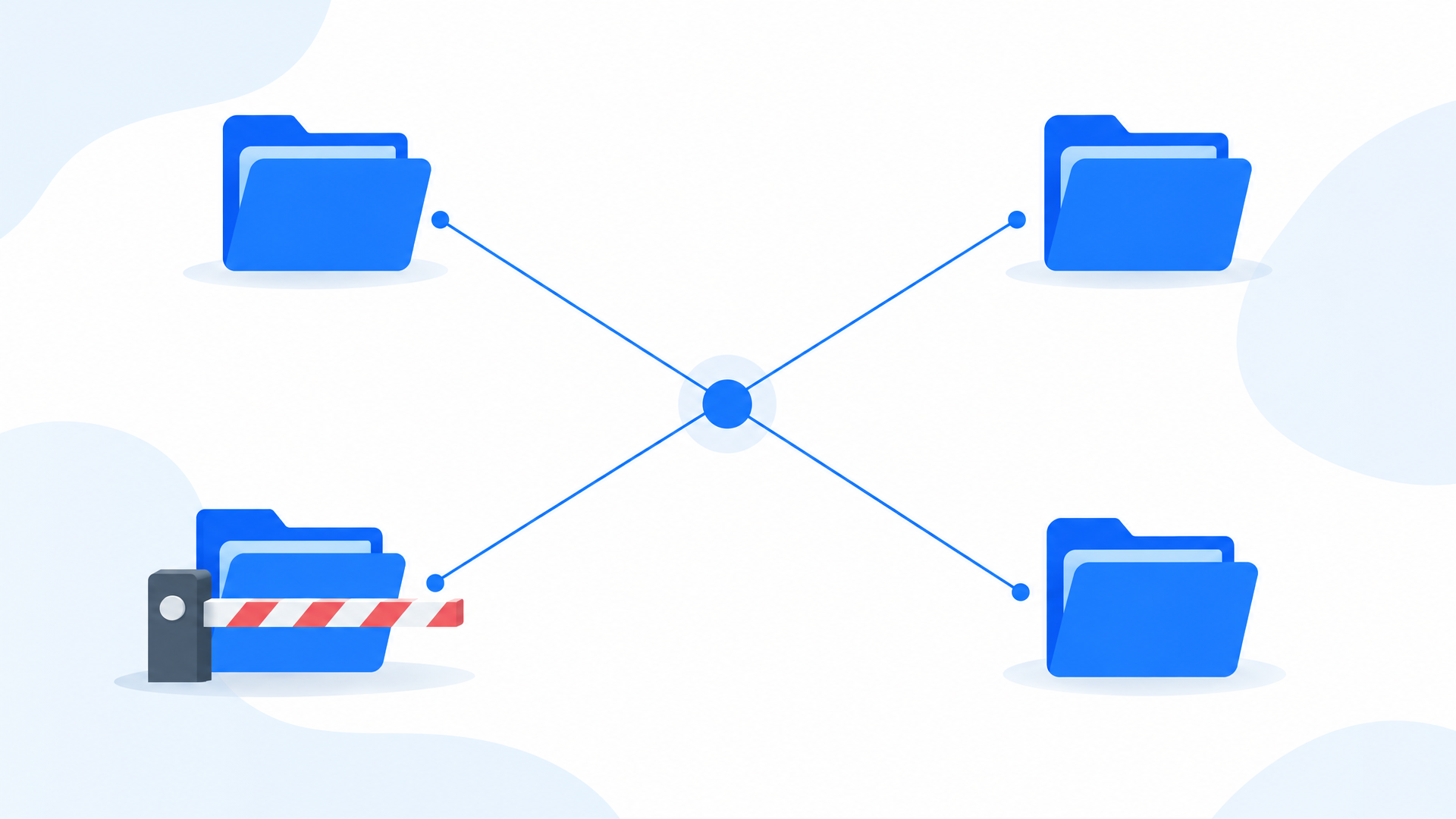
| Pi core | A Felo skill | |
|---|---|---|
| What it is | Runtime, session handling, TUI, provider and model plumbing | A SKILL.md bundle describing one job end to end |
| How it changes | TypeScript extensions, packages, settings, themes | Add or remove a folder — no rebuild |
| Web access | Left to the provider and the tools you add | Live search, page fetching, and transcripts with source lists |
| Review burden | You audit extensions that run arbitrary code | You read a Markdown procedure before you trust it |
An extension is code with the same reach as the agent itself. A skill is a procedure you can read in two minutes and decline.
Where Pi looks for a skill. Four roots, plus packages:
~/.pi/agent/skills— every project on the machine~/.agents/skills— the shared location, readable by harnesses that follow the same standard.pi/skills— one repository, loaded only after you trust the project.agents/skills— the same, in the shared location- a package's
skills/directory, or api.skillsentry inpackage.json
Pi validates skills against the Agent Skills standard and reports most violations, so a SKILL.md folder that already works in another harness is one cp -r away from working here. Pi agent skills are folders you own, not plugins compiled into the binary.
Project-level roots load only after the trust prompt. That gate is doing real work: a freshly cloned repository should not be able to hand your session a new procedure just because you ran pi inside it.
Extension or skill? Felo bundles are skills, not extensions — nothing from them executes inside Pi's core.
Getting one in. From a project directory, either copy a bundle into a skill root or let a package carry it:
mkdir -p ~/.pi/agent/skills
cp -r felo-skills/felo-search ~/.pi/agent/skills/
When the same bundle should reach several machines, let a package carry it instead:
pi install npm:@scope/pkg
pi install git:github.com/user/repo
You can also load a bundle without copying it at all: pi --skill /path/to/felo-search. The flag is additive, even when you start a session with --no-skills.
Credentials stay out of the repository. Install the Felo CLI once, store the key in your user config, and every skill picks it up:
npm install -g felo-ai
felo config set FELO_API_KEY your-api-key-here
The CLI reads ~/.felo/config.json, so the key never lands in a project commit. Pi users tend to start with one folder, confirm that research actually works, and only then add the skills that produce output.
Five Felo skills worth adding
Each covers a job the terminal cannot do on its own.
Felo Search — answers with sources
The research step the other skills lean on. It reaches the live web and returns findings dated and linked, ready to cite in the same reply you are already writing.
Find the recommended Node version for this dependency and cite where you read it.
Felo Slides — the deck from the session
Reviewers read decks, not terminal scrollback. The outline arrives as text first, inside Pi, so you fix the argument before a single slide exists. Only then does it build the file, with sources carried into the speaker notes.
Summarize this refactor in five slides: what moved, what broke, what needs review.
Felo YouTube Subtitling — transcripts without a browser
Pi has no browser pane, so recorded video is normally out of reach. This pulls captions and hands back text the session can grep, quote, and check against your config.
Get the transcript of this talk and pull out every benchmark number it quotes.
Felo X Search — what people report on X
Worth running before a release: find out whether anyone else on this version is hitting the same error you are staring at.
Search X for errors from this library version and list the three most repeated ones.
Felo SuperAgent — images from the same session
When the project needs a favicon, a logo lockup, or a product shot, the session can generate and iterate instead of handing you a prompt to carry elsewhere.
Sketch a logo for this package in three directions and save the variants as files.
Full catalog: felo.ai/skills/pi-coding-agent — including Felo Web Fetch for turning pages into structured data, and Felo LiveDoc, which answers from documents you supply rather than from the open web.
Three sessions worth running
Written the way you would actually type them.
Fix a bug against current library behavior
The stack trace points into a dependency, and your pinned version sits two releases behind the documentation — or ahead of it.
Fetch the current docs for this method, compare the signature with the pinned version, and patch the call site.
What lands back is a patch plus the exact documentation it was based on. Not a guess that compiles and then behaves oddly under load.
Prepare a technical brief while you code
You need to explain a build-versus-buy decision to people who will never open the repository.
Research the current pricing and limits for these three services and draft six slides I can edit.
A sourced comparison and a slide draft, from the same session that is still holding your code. The draft stage is the point: an outline costs nothing to change, and a finished deck you have to regenerate costs a review cycle. Slides are also available directly at felo.ai/slides when you want to keep working on them away from the terminal.
Catch up on a recorded release event
A vendor's launch talk mentions a behavior change that never made it into the changelog.
Pull the transcript, list every behavior change mentioned, and check which ones affect our config.
A checklist grounded in the recording, with timestamps you can verify — not a summary you have to take on faith.
Guardrails
Pi has no permission sandbox. This is the honest part, and it belongs in the article rather than in a footnote. Pi's own security notes say a skill can instruct the model to run anything the user can run. A skill is therefore exactly as powerful as your shell account. That is a reason to read before you install, not a reason to avoid skills.
Read the bundle first. Felo skills are plain Markdown. Open the SKILL.md, skim it, and look at what commands it asks the model to run. That is sensible practice for AI coding agent skills on any harness; on Pi it is the whole safety model. If a bundle is too long to read in a minute, treat that as the finding. The install being a folder copy cuts both ways: removal is a folder delete, with no uninstall script and nothing left inside the core.
Respect the trust gate. Project-level .pi/skills and .agents/skills load only after you trust the project. Keep the user-level roots for bundles you chose deliberately, and let the project scope stay small enough that you would recognize a new folder in it.
Keep the key in your user config. The Felo CLI reads ~/.felo/config.json. If an API key ever shows up under a project's .pi/skills, that is a setup mistake rather than a skill behavior — and it is the kind of mistake that survives into a commit.
Ask for sources in the output. The whole advantage of a skill over a recollection is that each claim arrives with a date and somewhere to check it. State that format when it is not already the default.
FAQ
What is the difference between a Pi extension and a Felo skill?
Extensions are TypeScript code that changes how the harness runs. Skills are Markdown procedures the agent loads on demand. Felo bundles are skills, so they do not execute inside Pi's core the way an extension does.
Where does Pi look for skills?
Globally in ~/.pi/agent/skills and ~/.agents/skills; per project in .pi/skills and .agents/skills after the project is trusted; and inside packages through a skills/ directory or a pi.skills entry in package.json.
Can I ship Felo skills to a team through npm?
Pi packages support npm, git, and local paths. If your team already installs shared packages with pi install, the Felo bundles can ride along in the same package under a skills/ directory.
Do Felo skills need an API key in the repository?
No. The Felo CLI reads ~/.felo/config.json. Keep the key in your user config so it never lands in a project commit.
Pi has no permission sandbox. Is that a problem for skills?
It is a reason to read before you install. Pi's documentation is explicit that a skill carries the full reach of your shell account. Stick to bundles you have reviewed, and prefer the ones you can read in a minute.
Which Felo skill should I start with?
Start with Felo Search if your work depends on current versions, prices, or advisories. Everything else becomes more useful once answers arrive with a source attached.
Pick the skill that covers your most common dead end, copy that folder into ~/.pi/agent/skills, and ask your next question expecting a source instead of a recollection. The core stays exactly as small as it was — the session just stops guessing.
Explore Felo skills for Pi Coding Agent →
This post is also available in 简体中文, 日本語, 한국어, 繁體中文, हिन्दी, Français, العربية, Русский, اردو, Bahasa Indonesia, Deutsch, Tiếng Việt, Türkçe, Italiano, ไทย, Español, বাংলা and Português.