No starting angle
You know what you want to say but not how to start. Every opening feels either boring or clickbait.
AI X Post Writer
Input a topic — Twitter Writer does the research, suggests angles with you, then drafts posts with hooks, tension, and pacing tuned for engagement.
The real problem
They are weak because the process is broken. You sit in front of a blank line, guessing where to start and hoping the post lands.
You know what you want to say but not how to start. Every opening feels either boring or clickbait.
You post in the 280–800 character dead zone, put the link in the body, end with a period instead of a hook — and never see why reach dropped.
ChatGPT gives you one draft. You either copy it and hope for the best, or stare at it wondering how to make it better. There is no exchange.
How it works
You type
I want to write about what most founders get wrong about X growth.
Research complete
Found 6 high-performing posts and 3 contrarian takes on this topic. Two distinct angles are ready.
Most founders post on X for six months and quit. We looked at 200 failed accounts. They all made the same three mistakes.
The advice to post every day on X is killing your reach. Here is what the data actually says.
Three steps
Twitter Writer does not just take your topic and spit out a post. It researches, then talks you through the angle before drafting.
Step 1
Twitter Writer researches high-performing posts and contrarian takes on your topic — so you are not writing from a blank page.
Step 2
Two or three writing directions come back. You pick the one that matches your voice, ask for adjustments, or combine bits of each.
Step 3
The writing model is specifically tuned for hooks, tension, pacing, and reply triggers — not just polished sentences. A publish-risk check runs before you copy the draft.
The writing engine
Most AI writing tools produce clean, forgettable sentences. This one is tuned for the structural decisions that separate posts people read from posts people scroll past.

The first line either stops the scroll or wastes the post. The engine prioritizes openings that create a gap between what the reader expects and what they see.

Posts that end with certainty get scrolled past. The engine closes posts with a contrast, a question, or an open loop — the three structures most likely to draw replies.

Short sentence. Long sentence. Space. The engine understands that cadence, not just vocabulary, determines how far people read.

Link in the body? Three hashtags? 500 characters? The draft runs through a check that flags the specific choices the X algorithm penalizes.

When the idea needs five to eight posts instead of one, the engine expands it cleanly — each post earning the next read, not stretching thin.

There is a difference between writing that invites genuine disagreement and writing that angers people for cheap engagement. The engine targets the former.
When to use it
Twitter Writer is not for casual updates. It is for posts where you need the copy to do something specific — drive replies, earn saves, build authority, or move product interest.

Input your feature. The engine researches similar launches, suggests data-led or story-led angles, and drafts with a screenshot suggestion.

Connect a breaking topic to your market or point of view without sounding like you are chasing it.

Take a clear position on something people in your niche agree on. The engine writes the post to pull disagreement into replies — that extends reach.

You have a deep explanation that needs five to eight posts. The engine structures it so the first post hooks and each one earns the next read.

Input the post you are quoting. The engine adds a layer the original does not have: a counterexample, a higher-level read, or useful context.

Post regularly without running dry. Give the engine a topic area and it returns fresh angles each time — so your feed stays active without repeating yourself.
What people say

Marcus Chen
Founder, SaaS startup in Austin
“I used to spend 40 minutes on a single X post. With Twitter Writer, I give it a topic, pick an angle, and get a hook that actually stops people scrolling. My best week ever — 22,000 impressions from one post drafted with this tool.”

Priya Sharma
Content manager at a Series B company
“The thing that surprised me is the interactive part. It doesn't just write — it researches first and gives me options. I can see where each idea comes from before I commit. Our engagement rate went up 3x after switching from the old workflow.”

David Park
Marketing director, YC portfolio company
“We tried three AI tweet writers before this. Two gave bland, generic prose. The third was clever but didn't respect the algorithm. Twitter Writer is the first one that gets the pacing right and actually flags the stuff that kills reach.”

Amara Johnson
Independent X creator, 38K followers
“My thread on AI hiring got 14K views in 24 hours. I gave the tool a one-line brief and it came back with three hooks. I picked the second one and barely edited it. The tension in the opening line — I couldn't have written that myself.”

Lukas Weber
Product lead at a fintech company in Berlin
“I was skeptical about interactive writing tools. But the research step changed how I think about posting. Instead of guessing what angles work, I see what's actually performing well in my niche and build from there.”

Sofia Martinez
Growth strategist and fractional CMO
“The best part is the publish-risk check. I've caught myself about to post with a link in the body twice this month — something I've been doing for years out of habit. Each correction probably saved me hundreds of lost impressions.”
FAQ
Ready to write
Give it a topic. Get research-backed angles, a draft tuned for engagement, and a publish-risk check. Takes 60 seconds.
Write my next X postMore social tools
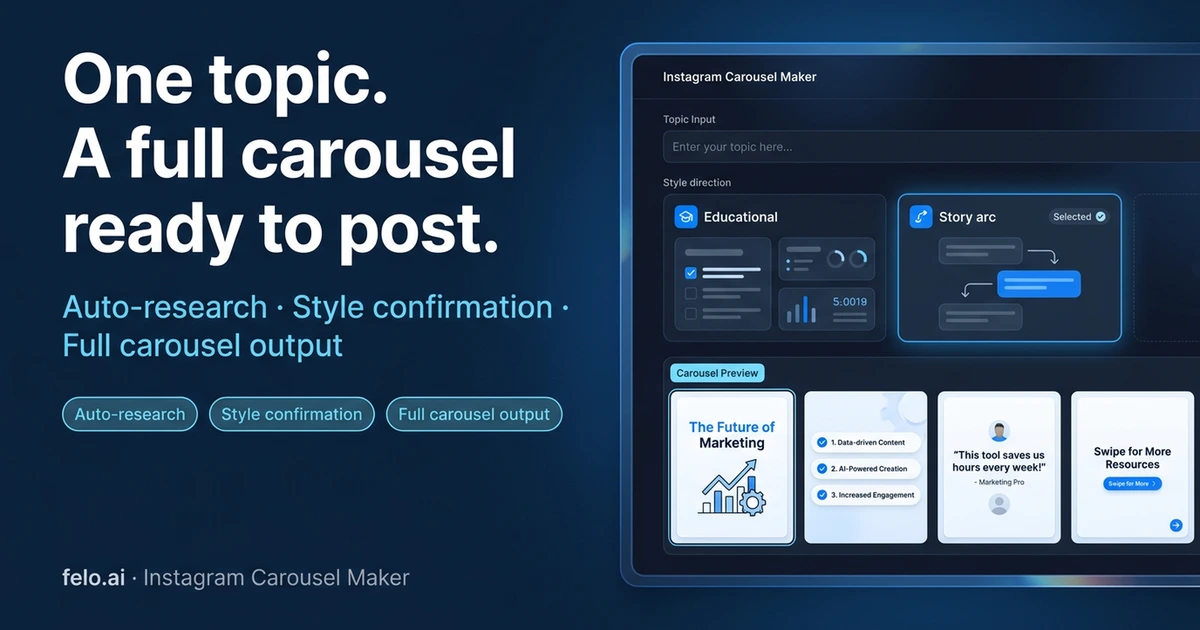
Turn a topic or product update into a 1080×1350 vertical carousel with slide flow, cover hook, and caption pack.

Plan and generate Lemon8 carousel images with the right aesthetic, slide count, and localized style.
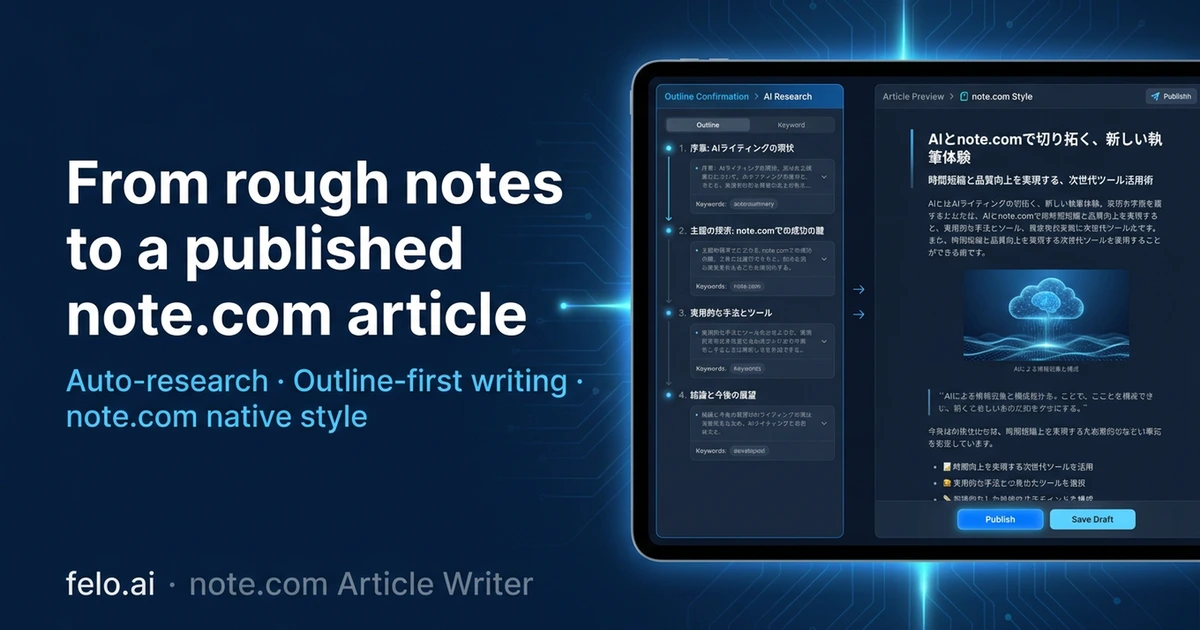
Turn notes or rough ideas into note.com articles with outline approval and Japanese publishing style.